
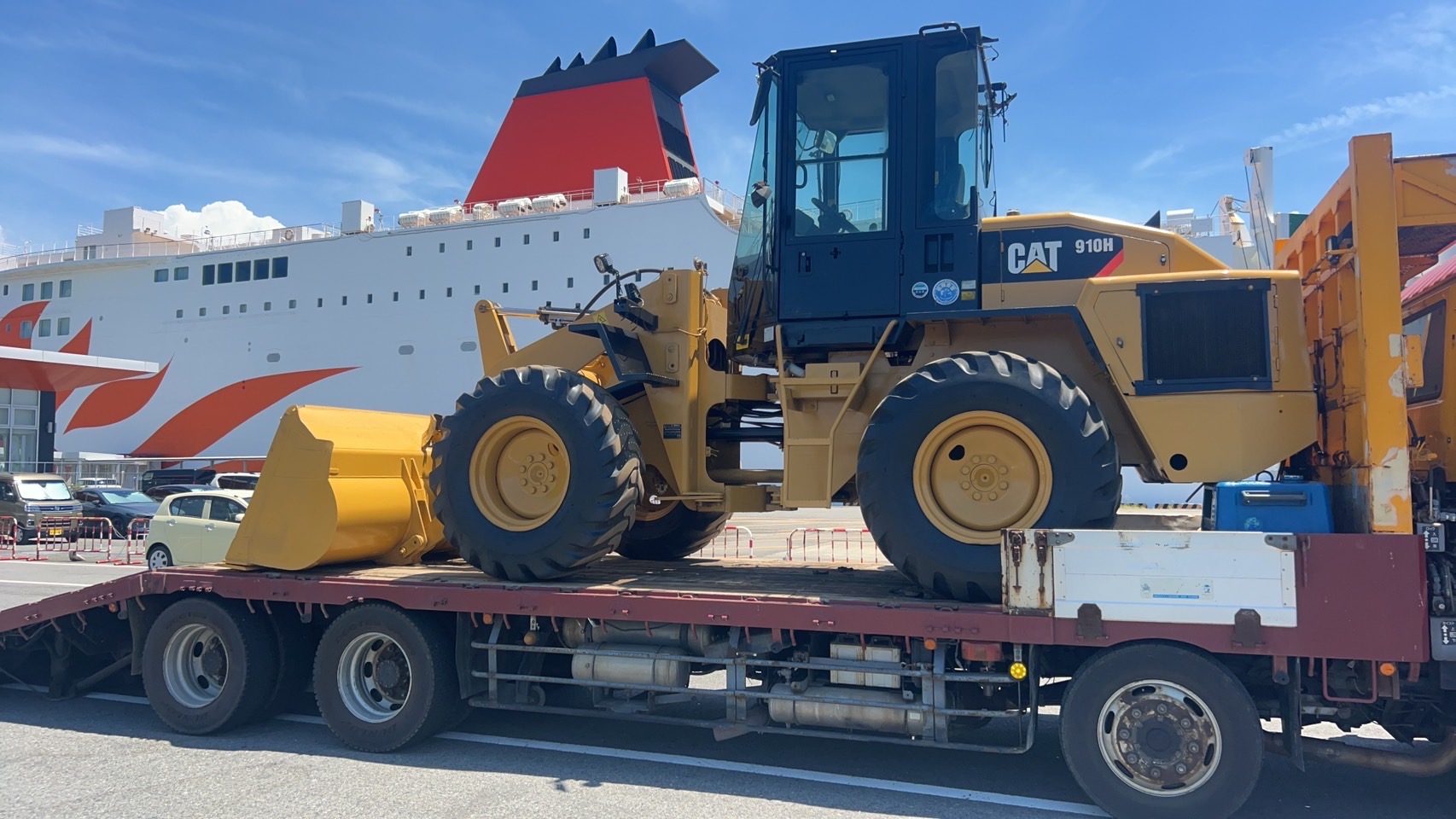
What to Expect When Importing Japanese Used Heavy Machinery
Importing heavy machinery from Japan has become a preferred strategy for construction companies, mining operations, and infrastructure developers worldwide. Japanese machinery brands like Komatsu, Hitachi, Caterpillar (manufactured in Japan), Kobelco, and Kubota are renowned for their durability, precision engineering, and thorough maintenance histories.
JMT Editorial TeamPublished November 22, 20233 min read
In this guide
Whether you are purchasing an excavator, bulldozer, wheel loader, or crane, understanding the import process ensures a smooth transaction and protects your investment.
Step-by-Step Process for Importing Machinery from Japan
Machine Selection
Browse available inventory from trusted Japanese dealers and auction houses. Each machine is listed with detailed specifications including model year, operating hours, serial number, and condition reports. Working with a reliable exporter like Japan Machinery Trader gives you access to verified stock with transparent pricing and real-time availability updates.
Inspection and Photos
Before purchasing, request a full inspection report and high-resolution photos from multiple angles. Reputable sellers provide detailed images of the undercarriage, hydraulic system, engine compartment, cabin interior, and any visible wear. Video walkarounds and cold-start recordings are also common, giving buyers confidence in the machine's operational condition before committing to a purchase.
Documentation
All exported machinery comes with essential paperwork including the Bill of Lading (B/L), commercial invoice, packing list, export certificate, and de-registration documents from Japan's transport authority. These documents are required for customs clearance in your destination country. Japan's strict vehicle registration system means every machine has a traceable ownership and service history.
Shipping Options
Depending on the size and quantity of machines, you can choose between Roll-on/Roll-off (RoRo) shipping for individual units or container shipping (flat rack or open top) for smaller equipment. RoRo is typically more economical for single large machines, while container shipping offers better protection and is ideal for multiple smaller items or machines with attachments.
Global Shipping and Delivery
Japan Machinery Trader ships to over 50 countries across Africa, Southeast Asia, the Middle East, South America, Australia, and North America. Standard shipping times range from 2 to 6 weeks depending on the destination port. We coordinate with established freight forwarders and provide full tracking from the Japanese port of departure to your destination.
Why Machinery from Japan Is a Safe Choice
Japan enforces some of the world's strictest emissions and safety regulations for construction equipment. Machines used in Japan undergo mandatory periodic inspections (shaken), similar to vehicle roadworthiness tests. Rental fleet machines are maintained on manufacturer-recommended schedules and retired while still in excellent working condition. This regulatory environment ensures that even used equipment from Japan often outperforms newer machines from other markets.
Get Started with Your Purchase
Ready to import quality Japanese heavy machinery? Contact Japan Machinery Trader today for a personalized quote, inspection reports, and shipping estimates tailored to your location. Our experienced export team handles the entire process from machine selection to delivery at your doorstep.
Conclusion
Importing heavy machinery from Japan is a proven path to acquiring reliable, well-maintained equipment at competitive prices. With transparent documentation, strict maintenance standards, and a streamlined export process, buyers worldwide trust Japanese machinery for their most demanding projects. Japan Machinery Trader makes the process simple, secure, and efficient from start to finish.
Related guides
Still looking for the right machine?
Tell JMT what you need, or browse everything currently in stock.