
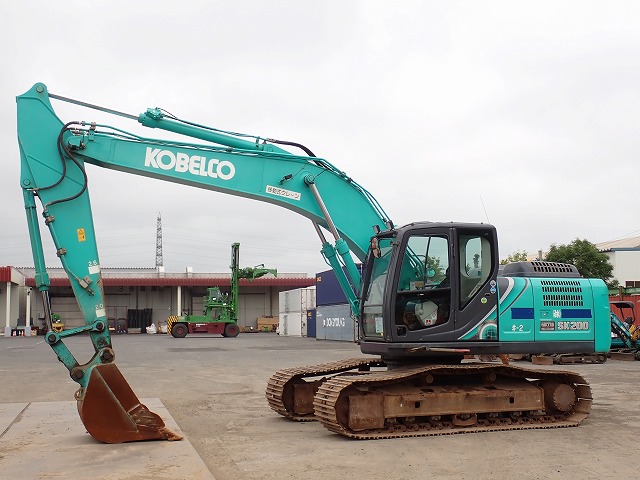
How Japan's Rental System Produces High-Quality Used Machinery
Japan's construction equipment rental system is one of the key reasons why Japanese used machinery is trusted globally. Unlike many countries where rental fleets are operated until failure, Japanese rental companies follow strict manufacturer-recommended maintenance schedules and retire machines well before the end of their useful life.
JMT Editorial TeamPublished November 22, 20233 min read
In this guide
This creates a steady supply of high-quality, low-hour used machinery that is exported to construction sites, mines, and infrastructure projects around the world.
Maintenance Standards
Japanese rental companies are required by industry regulations to maintain their fleets to the highest standards. Machines receive scheduled oil changes, hydraulic system inspections, undercarriage measurements, and engine diagnostics at predetermined intervals. Every service is documented in a maintenance logbook that follows the machine throughout its life. When a machine reaches a certain age or operating hour threshold — typically 5,000 to 8,000 hours — it is removed from the rental fleet and made available for export sale, often in near-new condition.
Benefits of Buying Ex-Rental Machinery
The primary advantage of purchasing ex-rental Japanese machinery is predictability. Buyers know exactly what they are getting: a machine with documented service history, genuine replacement parts, and consistent operation under controlled conditions. Unlike privately owned equipment that may have been overworked or poorly maintained, rental machines are operated by trained professionals and serviced by authorized dealers. This translates to fewer breakdowns, lower repair costs, and a longer remaining service life for the buyer.
Why Rental Machines Are Better Than Private Equipment
Privately owned machinery often has incomplete maintenance records, unknown repair history, and may have been used beyond its rated capacity. Rental fleet machines, by contrast, are insured and subject to safety inspections before each rental period. Operators are required to report any issues immediately, and repairs are carried out using OEM parts. This level of care means that a 5-year-old Japanese rental excavator often has less wear than a 3-year-old privately owned machine from other markets.
Global Demand
Countries across Africa, Southeast Asia, the Middle East, and South America are the largest importers of Japanese ex-rental equipment. Buyers in these regions value the combination of quality, reliability, and competitive pricing. Popular categories include hydraulic excavators from Komatsu and Hitachi, mini excavators from Kubota and Yanmar, wheel loaders from Caterpillar and Kawasaki, and mobile cranes from Tadano and Kato. Japan Machinery Trader sources directly from major rental companies, ensuring authentic provenance and competitive pricing.
Export Process and Buyer Confidence
All ex-rental machines exported through Japan Machinery Trader come with complete documentation including maintenance logs, de-registration certificates, and export inspection reports. We provide detailed photos, videos, and condition assessments before purchase. Our team handles shipping logistics, customs documentation, and delivery coordination to ensure your machine arrives safely and on schedule. With decades of combined experience in the Japanese machinery export market, we make buying from Japan straightforward and well-documented.
Related guides
Still looking for the right machine?
Tell JMT what you need, or browse everything currently in stock.